Clarice Lispector was born in 1920 to a Jewish family in western Ukraine. As a result of the anti-Semitic violence they endured, the family fled to Brazil in 1922, and Clarice Lispector grew up in Recife. Following the death of her mother when Clarice was nine, she moved to Rio de Janeiro with her father and two sisters, and she went on to study law. With her husband, who worked for the foreign service, she lived in Italy, Switzerland, England, and the United States, until they separated and she returned to Rio in 1959; she died there in 1977. (https://www.ndbooks.com/author/clarice-lispector/)

Her first novel, Perto do coração selvagem (1944; Near to the Wild Heart), published when she was 24 years old, won critical acclaim for its sensitive interpretation of adolescence. In her later works, such as A maçã no escuro (1961; The Apple in the Dark), A paixão segundo G.H. (1964; The Passion According to G.H.), Água viva (1973; The Stream of Life ), A hora da estrela (1977; The Hour of the Star), and Um sopro de vida: pulsações (1978; A Breath of Life), her characters, alienated and searching for meaning in life, gradually gain a sense of awareness of themselves and accept their place in an arbitrary, yet eternal, universe. (https://www.britannica.com/biography/Clarice-Lispector)
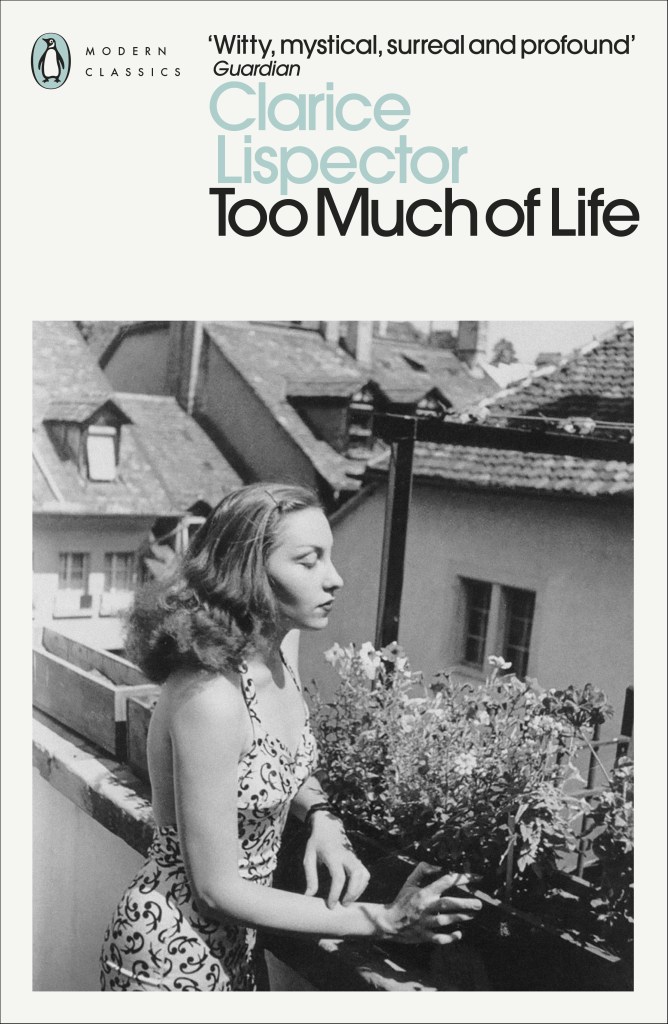
The chronicles, written for the the Jornal do Brasil from 1967 to 1973 and collected in the book Too Much of Live, often explore what is said and unsaid, the tension between revealing and withholding. The dialectics of silence and voice reveal a complex interplay where silence is not simply absence, and voice is not only expression but also subject to constraints and power relations. The act of withholding can be as significant as the act of revealing, suggesting that silence itself carries meaning and emotional weight. Lispector’s work frequently confronts the boundaries of language, questioning its ability to convey truth or reality. The silence between words, the pauses, and the unsaid thoughts emphasize the gaps in understanding that exist between people and within the self.
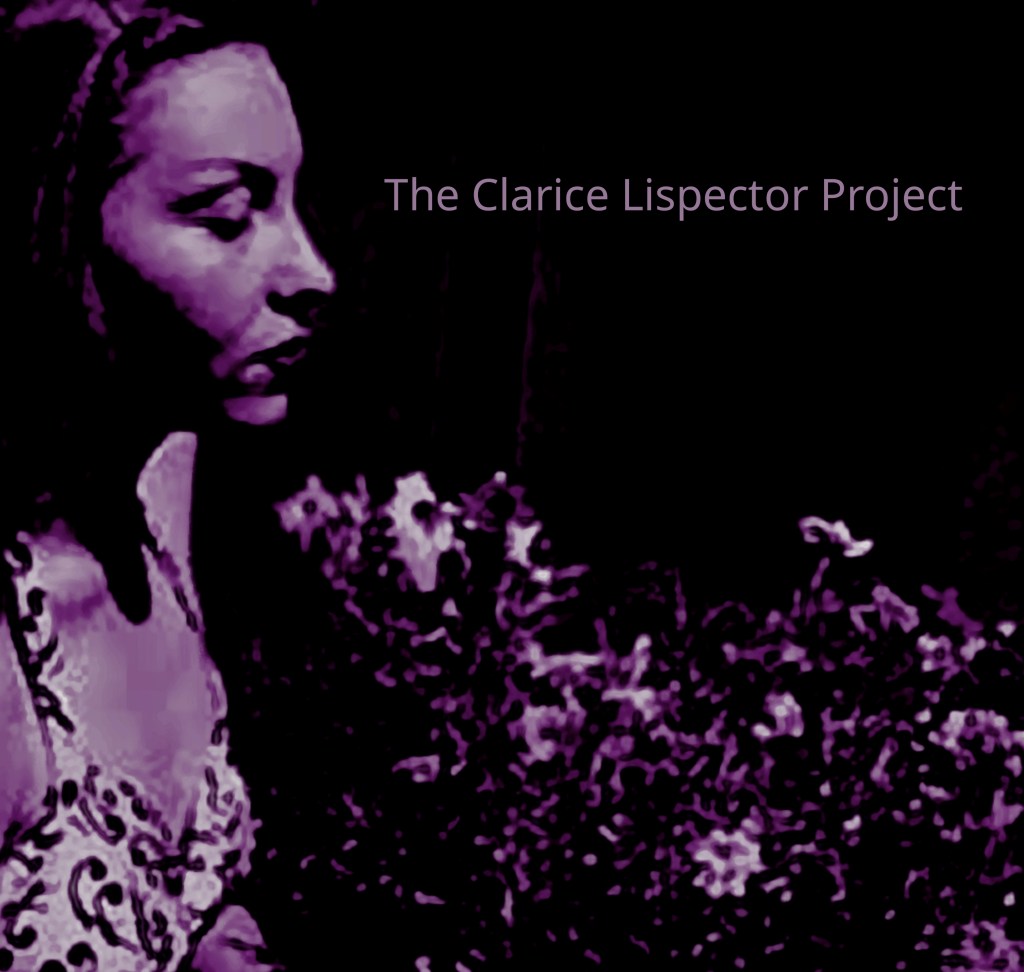
The Clarice Lispector Project takes the silences in and between the fragments of Lispector’s chronicles and responds to them with longform drones. These drones tend to silence themselves through the endless repetition of small motives. Thus, the dialectics of silence and voice are translated into the music. They are repeated and transformed building textures that imply rather than state: timbral ambiguity suggests a voice without being a clear propositional utterance.
The Clarice Lispector Project consists of four drone pieces:
01 And in that eternal late afternoon, the nothingness was hot
02 And in the midst of this odious empty sky
03 We have kept our death a secret
04 I will recognize you by your blind wind
The titles of the four drone pieces are fragmented lines form Lispector’s Too Much of Live. By themselves they repeat the dialectics of voice and silence by being very obscure but evocative statements leaving room for narrativization and interpretation. They are loud and silent at the same time. They even can be read together as a fragmented and elliptical text. Similarly the drone pieces are intended to be listened either one by one as independent voices/silences and also listened together as the evocation of an overall narrative and its other: the silence of nothingness.
 Ausgesuchtestenohren
Leave a comment